TCM Therapy · Bandra, Mumbai
Gua Sha —
TCM’s Most Misunderstood Therapy
A Traditional Chinese Medicine scraping therapy that breaks up stagnation, reduces inflammation, and promotes deep tissue healing. Far more than a skincare trend.
What Is Gua Sha
Controlled friction therapy.
Ancient, effective, misunderstood.
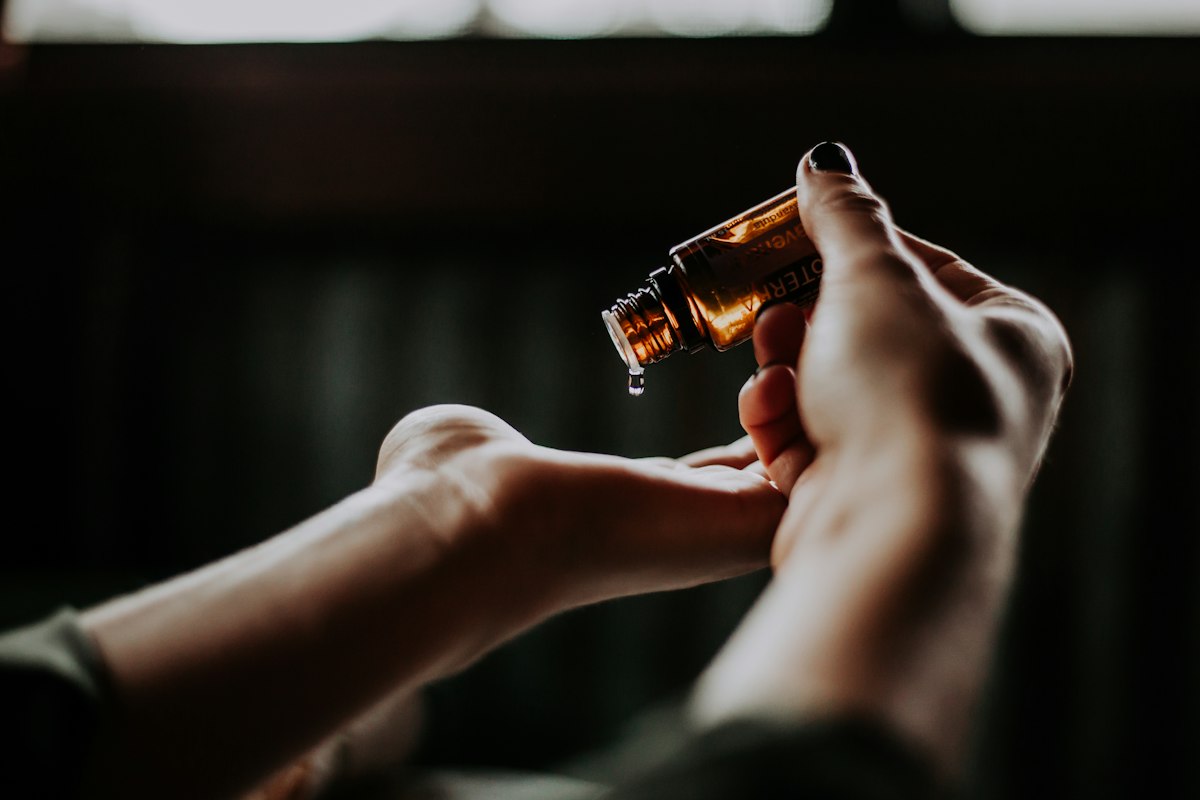
Gua Sha (刷症) is a Traditional Chinese Medicine soft tissue therapy in which a smooth-edged tool — traditionally jade, horn, or polished stone — is pressed firmly against oiled skin and stroked in one direction to break up stagnation, stimulate circulation, and release fascia. Gua Sha has been used in clinical TCM for over 2,000 years. It is not a facial skincare routine. In its clinical form at Balancepoint, it is a therapeutic intervention for musculoskeletal pain, chronic inflammation, and systemic stagnation.
How Gua Sha Works
Surface pressure,
deep systemic effect.
400% increase in
local microcirculation
The friction of the Gua Sha tool mechanically disrupts connective tissue adhesions, increases local microcirculation by up to 400% (per research in the Journal of Hematology and Thromboembolic Diseases), and stimulates a systemic anti-inflammatory response through the upregulation of heme oxygenase-1 (HO-1).
Redness that heals,
not hurts
The characteristic redness (“sha”) that appears is not broken skin or damage. It is the surfacing of stagnant blood from subcutaneous tissue — a diagnostic sign that fades in 2–5 days. Darker sha indicates more stagnation. It is painless.
Clinical Gua Sha uses firm, therapeutic pressure on the back, neck, and limbs to produce sha and break up deep stagnation. Facial Gua Sha uses light pressure for lymphatic drainage and tone — no sha is produced. Both are offered at Balancepoint.
Conditions Treated
What Gua Sha addresses
at Balancepoint
Muscles & Deep Tissue
Complexion & Facial Lifting
Systemic Stagnation
Explore by Category
Browse all conditions
we treat at Balancepoint
What to Expect
Your Gua Sha session
at Balancepoint
Session Length
20–45 min
Experience
Firm pressure. Therapeutic, not painful. Most patients feel significant relief immediately after.
The Sha
Redness fades in 2–5 days. Darker sha indicates more stagnation in that area. Painless throughout.
Typical Course
Acute/chronic pain: once a week. Maintenance: once every 2–4 weeks.
FAQ
Common questions
Book a Consultation
Ready for deep tissue
relief and recovery?
First consultation includes full TCM pattern diagnosis. No obligations.
Balancepoint Chinese Med Clinic · Linking Road, Bandra West, Mumbai · balancepoint.in